Maguey mexicano (Agave rhodacantha) is also known as “dobadaan” in some regions, which is its local name in Zapotec. Though exact numbers are unknown, some speculate that there are seven or more sub-varieties of Maguey Mexicano that each produce different characteristics in mezcal. Some of those include Maguey mexicano penca larga, mexicano penca corta, mexicano liso, chontal, and amarillo grande. Many of these sub-varietals are very different looking plants.
Data sheet
Specific References
Your review appreciation cannot be sent
Report comment
Report sent
Your report cannot be sent
Write your review
Review sent
Your review cannot be sent
TASTING NOTES
NOSE: A bold symphony of Ylang-Ylang and Jasmine, with hints of juniper and warming spice.
PALATE: Lush florals give way to tropical soft citrus Dalandan and Calamansi, grounded by earthy Alpinia and ginger. Mouthfeel is sensuous.
FINISH: Lingering finish. Continuously developing with a touch of spice and a surge of Angelica.
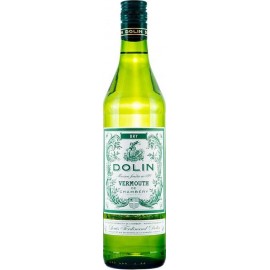
Characteristics: Made from a base wine (Ugni blanc), enriched through maceration with around fifteen plants and spices such as wormwood, speedwell, rose, verbena, and yellow génépi. TASTING NOTES NOSE: A generous and complex bouquet. Citrus peels dominate, supported by menthol and balsamic nuances. In the background, almond and stone fruit aromas bring an elegant sweetness. PALATE: A velvety yet lively texture. The fresh and slightly bitter flavors of alpine plants balance with the roundness of almonds and dried fruits, offering refined vibrancy. FINISH: Persistent and subtle, with echoes of bitter citrus and an herbal touch reminiscent of the mountains. An aromatic signature that lingers in memory.
Maguey mexicano (Agave rhodacantha) is also known as “dobadaan” in some regions, which is its local name in Zapotec. Though exact numbers are unknown, some speculate that there are seven or more sub-varieties of Maguey Mexicano that each produce different characteristics in mezcal. Some of those include Maguey mexicano penca larga, mexicano penca corta, mexicano liso, chontal, and amarillo grande. Many of these sub-varietals are very different looking plants.