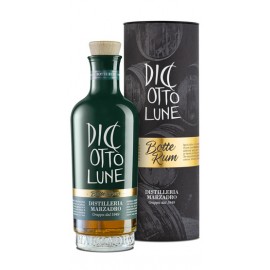
A second special edition of the Grappa Stravecchia, Le Diciotto Lune. Riserva Botte Porto comes from an additional aging period of eighteen months, in a limited number of selected barrels previously used to age Porto wine.
TASTING NOTES
NOSE Intense and fruity.
PALATE Enveloping and harmonious.
Data sheet
Specific References
Your review appreciation cannot be sent
Report comment
Report sent
Your report cannot be sent
Write your review
Review sent
Your review cannot be sent
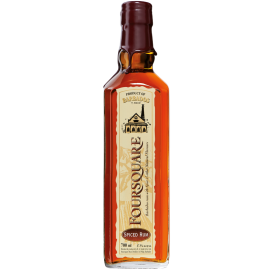
Discover Foursquare Spiced Rum, a true gem from Barbados, considered by many as one of the best spiced rums in the world.
Produced within the renowned Foursquare distillery, this rum is distinguished by its dry character, incorporating no added sugar.
This purity allows the full enjoyment of the complex aromas and subtle spices that compose it.
Winner of the gold medal at the Los Angeles Spirits Competition in 2014, this rum is the result of a century-old expertise, perpetuated with passion and precision.
Often considered the preferred grape variety for aging, here we find the raw Baco Armagnac, without any artifice, identical to how it emerges from the still.
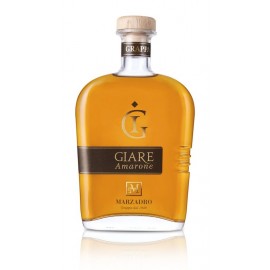
Grappa with a refined and assertive aroma and an enchanting flavor, it is harmonious and persistent on the palate. It is obtained through the bain-marie distillation of Amarone pomace (Corvina, Rondinella, Molinara) in a discontinuous still, then aged in small 500-liter oak barrels for a period of at least 36 months, during which the master distiller closely monitors the evolution of the blend, checking the fragrances and aromas to achieve optimal balance.
This late-night expression is rich and autumnal, developed and amplified to unexpected heights, while staying perfectly balanced and closely tied to the bright and fruity character of the Distillery.
Our malt is crafted slowly and is matured at the distillery in traditional dunnage warehouses on earthen floors. We're proud of our heritage and have used traditional methods since we rolled our first barrels back in 1790. And yet we're not afraid to tinker with tradition if it serves to improve our product. Our single malt is the perfect mix of nature and nurture and we believe in quality above all else.
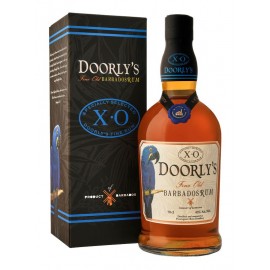
A true flagship of the Foursquare distillery: Doorly's XO Gold is an exceptional rum, aged between six and twelve years in bourbon casks and then finished for several months in Oloroso sherry casks.
This double aging process gives this rum remarkable complexity and depth, appealing to both whiskey and cognac enthusiasts.
A second special edition of the Grappa Stravecchia, Le Diciotto Lune. Riserva Botte Porto comes from an additional aging period of eighteen months, in a limited number of selected barrels previously used to age Porto wine.