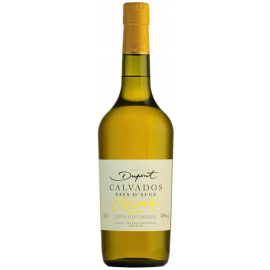
The apples are mixed, crushed and pressed. The apple juice is fermented right out to give cider to be distilled. Double distillation is carried out 6 months after the fermentation has taken place. The first distillation gives the "petite eau" at 30% by volume and it is the second distillation, that of the "petite eau" which gives the Calvados.
|TASTING NOTES|
Eyes
Water white with very pale hints of yellow. Clear and brillant.
Nose
Powerful, fine, fresh and very complex for a Calvados of only this age, fruit at first then floral. The aromas of green apple and citrus predominate, with hints of cherry and floral notes.
Mouth
Fresh attack, supple and round in the mouth, consistent, shows long and intense in retro-olfaction.
Data sheet
Specific References
Your review appreciation cannot be sent
Report comment
Report sent
Your report cannot be sent
Write your review
Review sent
Your review cannot be sent
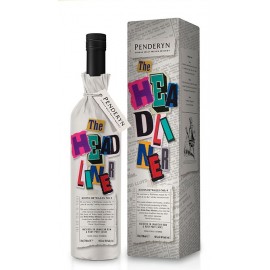
This rebelious small batch straight rye offers a smooth spicy rye flavor with enough backbone to stand up to classic cocktails.
The 9th in Penderyn’s Icons of Wales Edition whiskies is called The Headliner. The only Welsh Prime Minister, David Lloyd George (1863-1945), was a social reformer and accidentally established the premium whisky industry. He became a symbol of the national reawakening of Wales, and created more headlines than any other 20th century statesman. This 70cl bottle has an abv of 46%, and is matured in Jamaican Rum & Ruby Port Casks.
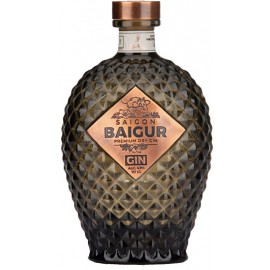
TASTING NOTES
NOSE: A vibrant bouquet of fresh citrus with delicate floral notes. Juniper, distinctly present, blends with subtle spicy touches and a slight hint of cardamom.
PALATE: The attack is smooth and complex, marked by a slight sweetness balanced by lemon and juniper flavors. Spices, including Saigon cinnamon, bring fine depth with a crisp, zesty kick in the background.
FINISH: Medium in length, the finish is marked by crisp, clean citrus touches, supported by a balanced dryness and light earthy notes, leaving a lingering spicy impression.
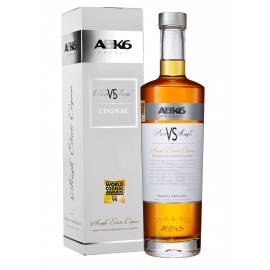
TASTING NOTES
NOSE Panettone and candied limes
PALATE White chocolate, lemon truffles and hazelnut
FINISH Sweet citrus with blood orange accompanied by notes of toasted oak
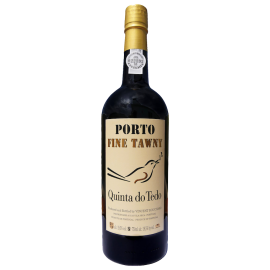
The Quinta Do Tedo Fine Tawny 8 Years Old is a refined and expressive port from the prestigious Douro wine region in Portugal.
Aged for eight years, this Tawny stands out with a complex aromatic palette and luxuriously silky texture.
Ideal for port lovers and bar professionals, this Fine Tawny is a true invitation to discover the rich and nuanced flavors of the Douro.
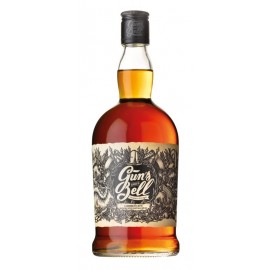
Issuing from a meticulous selection of Caribbean rums, Gun’s Bell is blended in our cellars in Chevanceaux following a traditional artisanal method. It then undergoes a 4 to 6-month aging process in oak barrels (depending on the weather) to develop woody notes, vanilla, dried nuts, roasted almonds, and smoky accents. Gun’s Bell reveals powerful and indulgent aromas, releasing an incomparable flow of flavors with both fruity and smoky notes.
The apples are mixed, crushed and pressed. The apple juice is fermented right out to give cider to be distilled. Double distillation is carried out 6 months after the fermentation has taken place. The first distillation gives the "petite eau" at 30% by volume and it is the second distillation, that of the "petite eau" which gives the Calvados.