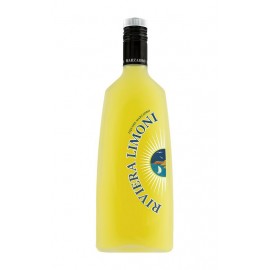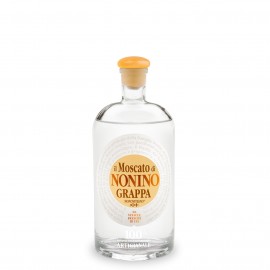
Selected and destemmed marc, fresh and tender Moscato grapes harvested from suitable areas.
Elegant, aromatic, sweet, and sensual with notes of roses, sage, and vanilla. It should be served at around 12°C or in a chilled glass open like a tulip corolla.
Aromatic varieties such as Moscato are perfect when paired with all desserts made of creams, ice cream, or when added to a fresh fruit salad.
Data sheet
Specific References
Your review appreciation cannot be sent
Report comment
Report sent
Your report cannot be sent
Write your review
Review sent
Your review cannot be sent
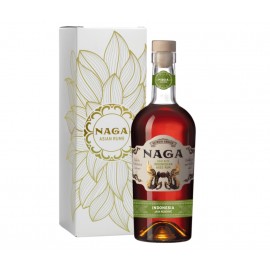
NAGA Java Reserve is a true ode to the Asian traditions of distillation.
Produced on the island of Java, this exceptional rum combines ancestral expertise with modern innovation.
Partially distilled in traditional Chinese stills and column stills, then aged in teak and American oak barrels, it presents a rich and complex aromatic profile.
This double aging process gives NAGA Java Reserve a harmonious balance between spicy notes and exotic fruits, offering a unique sensory experience.
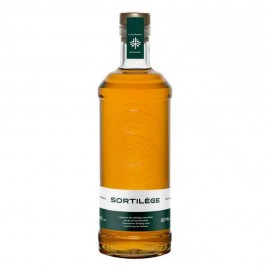
Sortilège is a unique blend of Canadian whisky and maple syrup. Created from the richness and authenticity of the Quebec countryside, this liqueur strikes the perfect balance between the heady strength of Canadian whisky and the distinctive flavour ofmaple syrup, resulting in a remarkably fine liqueur.
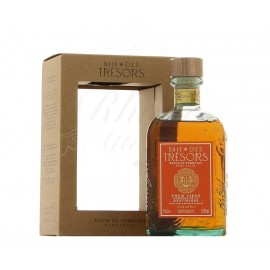
Karakoli, an aged rum from the Baie des Trésors collection, draws its distinctive character from the dry plots of Spoutourne, located at the tip of the Caravelle peninsula in Martinique. These lands, scarcely exposed to tropical rains, offer ideal conditions for growing cane that is concentrated in aroma and intensity. This very scarcity of water gives Karakoli its unique aromatic richness and structure, highlighting the power of an arid terroir. The 2020 vintage of Karakoli benefited from aging in American oak barrels, a method that enhances round, lightly vanilla notes while preserving the wild and robust soul of the cane. Thanks to this parcel-based approach, every detail of the terroir is fully expressed, elevated by the precise work of the cellar master, Stéphane Gouyer. Thi...
Delicious sweet and delicate mountain cream, in which the flavor of pistachios blends with the whiteness of the cream, obtained from fresh milk from Trentino. Marzadro Alpine creams are the emblematic expression of alpine valleys. Thanks to the sweetness of its flavor and its moderate alcohol content, this liqueur is particularly suitable for a light and pleasantly delicate tasting. Excellent at the end of a meal, it allows to accompany or prepare desserts and ice creams, but also to create original and refined cocktails.
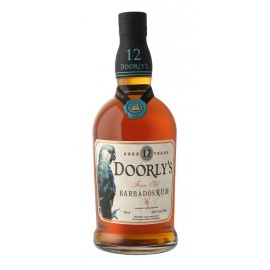
The Doorly's 12 years, an iconic product of the Foursquare distillery in Barbados, embodies the art of rum distillation and blending. This exceptional rum is the result of careful twelve-year maturation in the tropics, in barrels that previously contained Kentucky bourbon and Madeira.
This double distillation, using both pot still and column still, gives this rum unmatched aromatic complexity and finesse.
Selected and destemmed marc, fresh and tender Moscato grapes harvested from suitable areas.