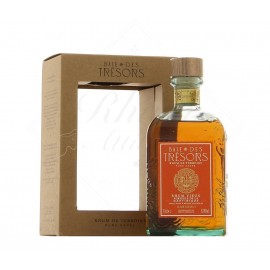
FOR EACH ARMAGNAC IN THIS COLLECTION, THE DARROZE PRINCIPLES REMAIN THE SAME: total respect for the terroir specific to each cuvée and ensuring its most perfect expression. To preserve specific characteristics, no blending of estates or vintages. So as not to betray the typical characteristics, no "reduction", which would dilute not only the alcoholic strength but also the aromatic power and nuances of the terroir by adding "petites eaux". Each Bas-Armagnac is strictly its own, with the name of the estate of origin, the vintage and the bottling date indicating its real age, as the eau-de-vie does not age in bottle.
Tasting notes
Colour
Attractive gold colour with brown highlights.
Nose
A magnificent, complex nose, with aromas of candied fruit (prune, apricot), quince jam, spices (gingerbread, liquorice), toast and dark tobacco. Extraordinary.
Palate
No disappointment on the palate: these racy spices and complex fruitiness are there again. The tannins are both present and silky. Magnificent balance.
Data sheet
Specific References
Your review appreciation cannot be sent
Report comment
Report sent
Your report cannot be sent
Write your review
Review sent
Your review cannot be sent
Elaborated in Guatemala, Botran Ki’ is an exceptional rum crafted from virgin sugar cane honey, a noble base that gives it a unique aromatic richness.
This rum is the result of dynamic aging, where the rums are carefully matured in an adapted solera system, ensuring a perfect harmony between youth and maturity.
With a finish in sweet wine casks, notably those that contained Moscatel, Botran Ki’ offers remarkable sweetness and roundness, while maintaining an authentic aromatic profile with no added sugar.
It is equally suited for neat tasting or the creation of sophisticated cocktails, thus offering great versatility to bartenders and sommeliers.
The Mintis Wild Raspberry Gin comes from Torino Distillati in Moncalieri. The family distillery is run by Carlo Vergnano, his wife Piera, their daughter Rita, and other employees. Mintis Wild Raspberry Gin is distilled for eight hours at 60 °C in a custom-made vacuum still. Refined with wild raspberries, this gin offers an enchanting aroma of juniper berries, raspberry, and mint. On the palate, it reveals typical juniper notes, accompanied by juicy and fresh raspberry, grapefruit peel, and spices. Mintis Wild Raspberry Gin is bottled at 41.8% ABV.
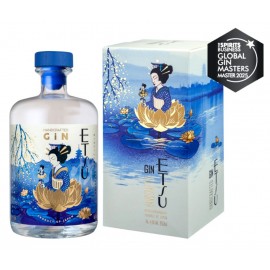
TASTING NOTESNOSE Floral and herbal, with pronounced notes of citrus and Yuzu.PALATE Fresh and well-balanced with peppery notes and a hint of licorice.FINISH Round, smooth, silky.
After 10 years in contact with the oak, Armagnac starts to take on the aromas of ageing.
TASTING NOTES
NOSE Panettone and candied limes
PALATE White chocolate, lemon truffles and hazelnut
FINISH Sweet citrus with blood orange accompanied by notes of toasted oak
TASTING NOTES
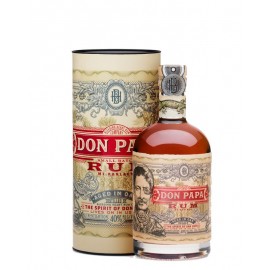
NOSE Notes of lemony lime, vanilla and oatmeal.
PALATE Notes of tropical pineapple and tangy orange zest.
FINISH Creamy.
Karakoli, an aged rum from the Baie des Trésors collection, draws its distinctive character from the dry plots of Spoutourne, located at the tip of the Caravelle peninsula in Martinique. These lands, scarcely exposed to tropical rains, offer ideal conditions for growing cane that is concentrated in aroma and intensity. This very scarcity of water gives Karakoli its unique aromatic richness and structure, highlighting the power of an arid terroir. The 2020 vintage of Karakoli benefited from aging in American oak barrels, a method that enhances round, lightly vanilla notes while preserving the wild and robust soul of the cane.
FOR EACH ARMAGNAC IN THIS COLLECTION, THE DARROZE PRINCIPLES REMAIN THE SAME: total respect for the terroir specific to each cuvée and ensuring its most perfect expression. To preserve specific characteristics, no blending of estates or vintages. So as not to betray the typical characteristics, no "reduction", which would dilute not only the alcoholic strength but also the aromatic power and nuances of the terroir by adding "petites eaux". Each Bas-Armagnac is strictly its own, with the name of the estate of origin, the vintage and the bottling date indicating its real age, as the eau-de-vie does not age in bottle.